My views
Welcome to my blog. Enjoy reading and go on a multitude of adventures with me covering bikes, photography, programming, and some "sharp" opinions.
Nothing here is in any particular order or timeline. I have several areas of interest and will speak to all of those at various points.
Photography is my hobby. I am retired and much of my time is in learning, shooting, and gear.
Programming is the result of many years of running my own business focused on websites and internet applications. I have contributed to the "open source" community and continue to do that.
School Bus ... well, for the most part, school bus. I have also driven transit buses (for one summer). I am also a driver trainer and Signing Authority.
Open Source Projects ... specifically to discuss my most recent activities with the next generation of PHPMailer (PHPMailer Pro, PHPMailer Lite), Form Tools (PHPMailer-FVE for form validation and emailing), PHPMailer-BMH (Bounce Mail Handler), as well as past projects.
CSS, Javscript, (x)HTML is a discussion of my experiences dealing primarily with CSS frameworks.
Health is a discussion of my experiences dealing with Idiopathic Chronic Pancreatitis and related issues. I have documented my DIY self-treatment program that has kept me pain free since January 26 2012 – with absolutely no prescription medication (no narcotics).
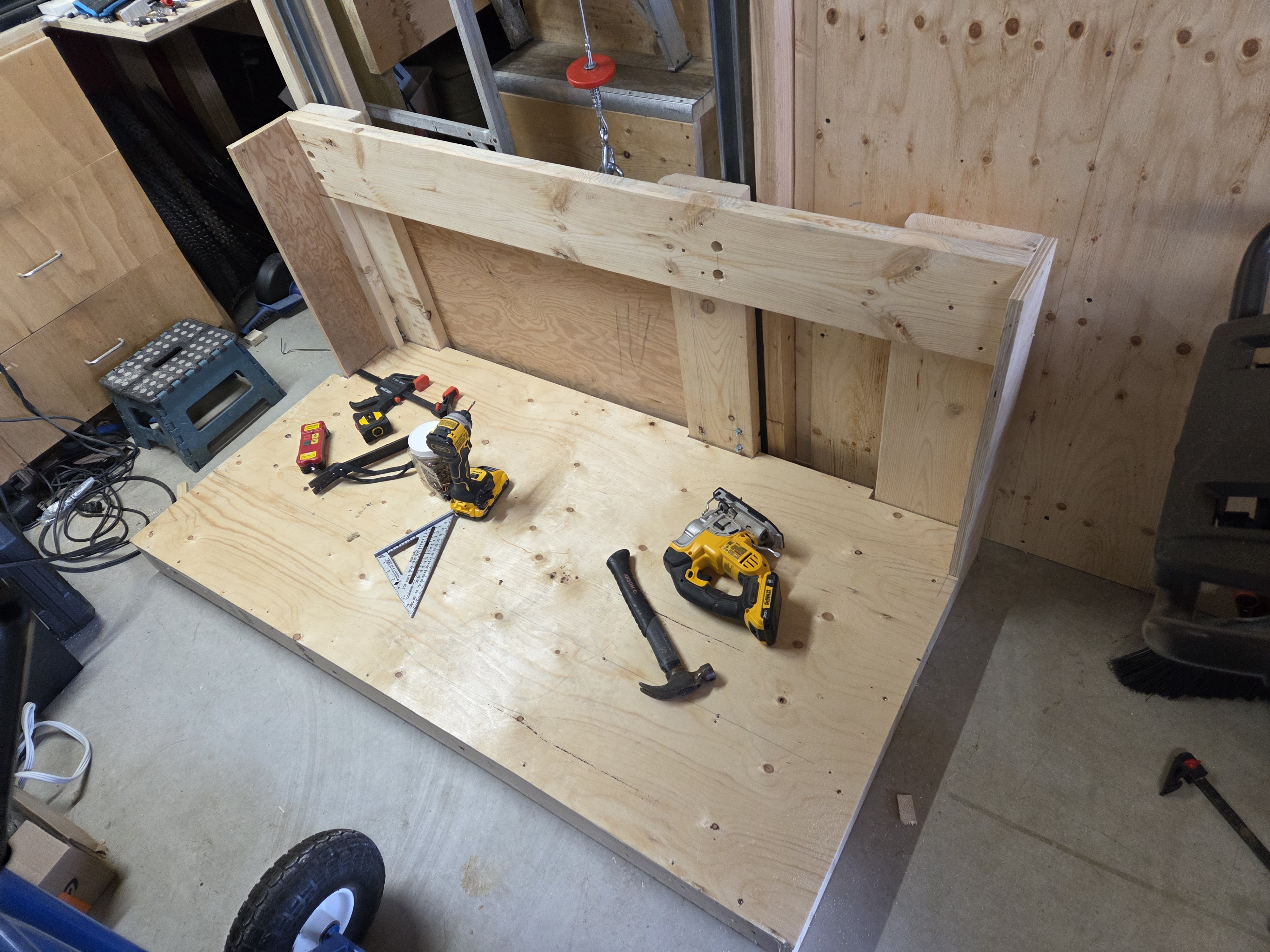
Tools is a discussion of tools, jigs and work arounds. Mostly woodworking, but other tools also discussed.
If you are here looking for blood glucose information, including measuring devices and installation instructions: I have removed all of those articles.